
Car won’t start! Few situations are more frustrating than turning your key or pressing the start button and realizing your car won’t start. While there are many reasons why a vehicle may fail to start, knowing the first things to check can save time, stress, and even money on repairs.
In this guide, we’ll break down the initial checks, common causes, troubleshooting tips, and preventive measures for when your car not starting situation occurs.
Table of Contents
Why Your Car Might Not Start
A car is not starting due to mechanical, electrical, or fuel-related issues. Common scenarios include:
● Dead or weak battery
● Faulty starter motor
● Fuel system problems
● Ignition system issues
● Engine mechanical failures
● Security or immobilizer malfunctions
While some problems are complex, most car not starting issues can be narrowed down by checking a few key components first.
The First Thing to Check When a Car Won’t Start
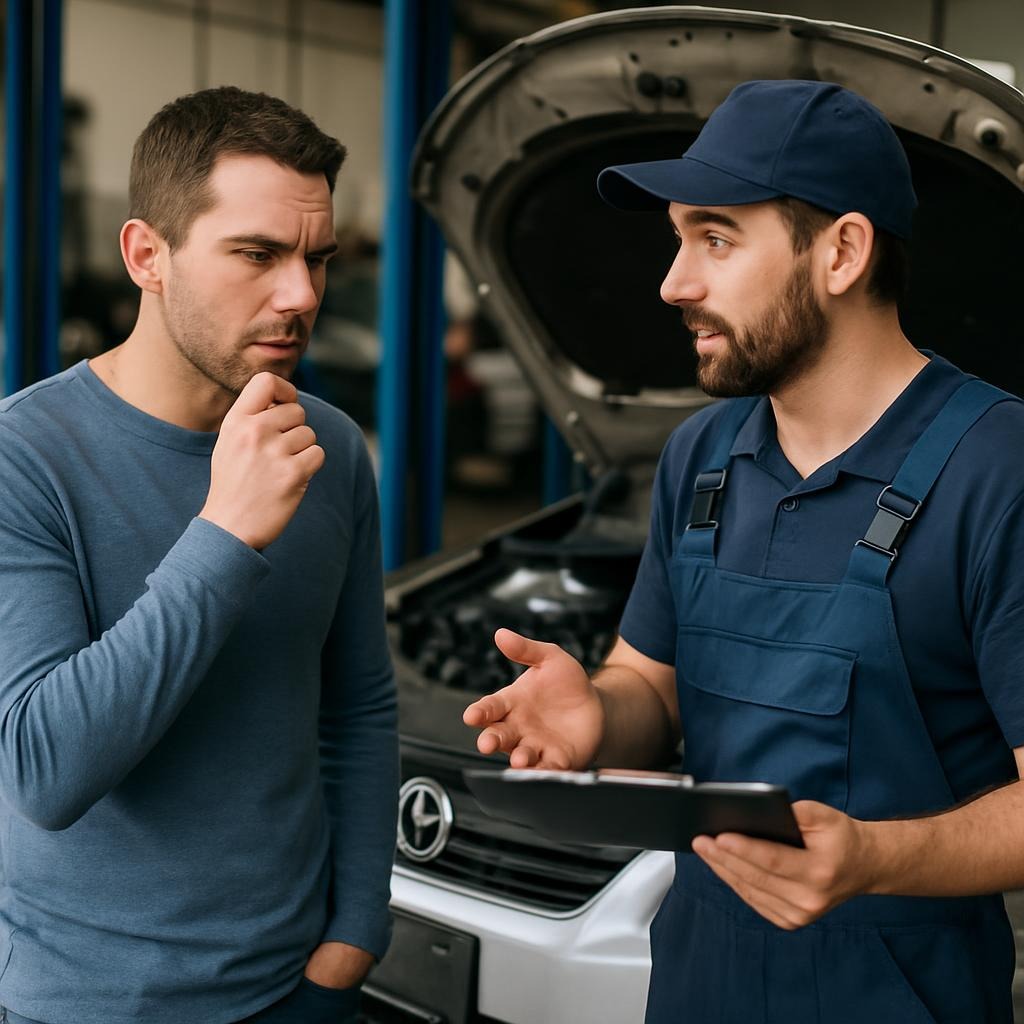
The very first thing to check is the battery and electrical system. The battery provides the power needed to crank the engine and operate electronics.
Signs of Battery Problems:
● Dim or Flickering Lights: Headlights, interior lights, or dashboard lights may be weak.
● Clicking Sound: A rapid clicking noise when turning the key usually indicates a weak or dead battery.
● No Electrical Response: If the car does nothing when you turn the key, the battery may be completely dead.
What to do:
- Inspect the battery terminals for corrosion or loose connections.
- Test the battery voltage with a multimeter (should be around 12.6 volts for a fully charged battery).
- Attempt a jump-start using jumper cables or a portable battery pack.
Checking the battery first is crucial because it’s the simplest, most common cause of a car not starting and is easy to fix compared to engine or fuel system problems.
Other Initial Checks if the Car Still Won’t Start
If the battery is in good condition and fully charged, the next areas to inspect include:
1. Fuel Level and Fuel System
● Ensure there is sufficient fuel in the tank.
● Listen for the fuel pump activating when the key is turned to “on.”
● Check for clogged fuel filters or faulty fuel pumps, which can prevent the engine from getting fuel.
2. Ignition System
● Check spark plugs and ignition coils for wear or damage.
● Ensure the key fob battery is working if your car uses a push-start system.
3. Starter Motor
● A failing starter may prevent the engine from cranking.
● Listen for grinding, whirring, or no sound at all when turning the key.
4. Engine Mechanical Issues
● Timing belt or chain failure, engine overheating, or severe mechanical damage can also cause your car not starting.
5. Security and Immobilizer Systems
● Many modern vehicles have anti-theft systems that disable starting if the car doesn’t recognize the key.
● Try using a spare key or resetting the system according to the manufacturer’s instructions.
Tips for Safely Troubleshooting a Car Not Starting
● Avoid Continuous Cranking: Repeatedly turning the key can damage the starter motor.
● Use Proper Tools: Jumper cables, multimeter, and safety gloves are essential for initial checks.
● Check Warning Lights: Dashboard indicators can provide important clues.
● Consult the Owner’s Manual: Your manual may have specific instructions for your car model.
● Call a Professional if Unsure: If the initial checks don’t reveal the problem, a mechanic can diagnose the issue safely.
Preventive Measures to Avoid Car Not Starting Issues
● Battery Maintenance: Regularly inspect and clean terminals, and replace batteries every 3–5 years.
● Fuel System Care: Keep your tank above quarter level and replace fuel filters as recommended.
● Ignition System Maintenance: Replace spark plugs and coils on schedule.
● Monitor Engine Health: Follow routine maintenance schedules for oil changes, timing belts, and coolant.
● Check Security Systems: Ensure your key fob and immobilizer are functioning properly.
Routine maintenance and early detection of warning signs can reduce the likelihood of your car not starting unexpectedly.
Conclusion
When your car not starting, the first thing to check is the battery and electrical system. A weak or dead battery is the most common cause and can often be fixed quickly. If the battery is fine, check the fuel system, ignition, starter motor, and immobilizer system next.
By following these initial checks and maintaining your vehicle regularly, you can prevent unexpected starting problems and ensure your car remains reliable. If troubleshooting does not resolve the issue, a professional mechanic can accurately diagnose and repair the problem, saving time and preventing further damage.
If you have any questions, you can ask our mechanics on a live chat here or download our mobile app from Apple AppStore and Google Playstore. You can also download our G-OBD AI Diagnostics App on Playstore here.
Leave a Reply