Table of Contents
How Do I Know If My Car Gear Is Damaged?
You can tell if your gear is damaged when you notice unusual driving symptoms such as difficulty shifting, grinding noises, delayed movement, or the vehicle slipping out of gear. These issues usually indicate internal transmission problems that require immediate attention.
A damaged gear can affect acceleration, fuel efficiency, and overall vehicle safety. Detecting the problem early helps prevent expensive repairs and sudden breakdowns.
What Is a Car Gear and Why Is It Important?
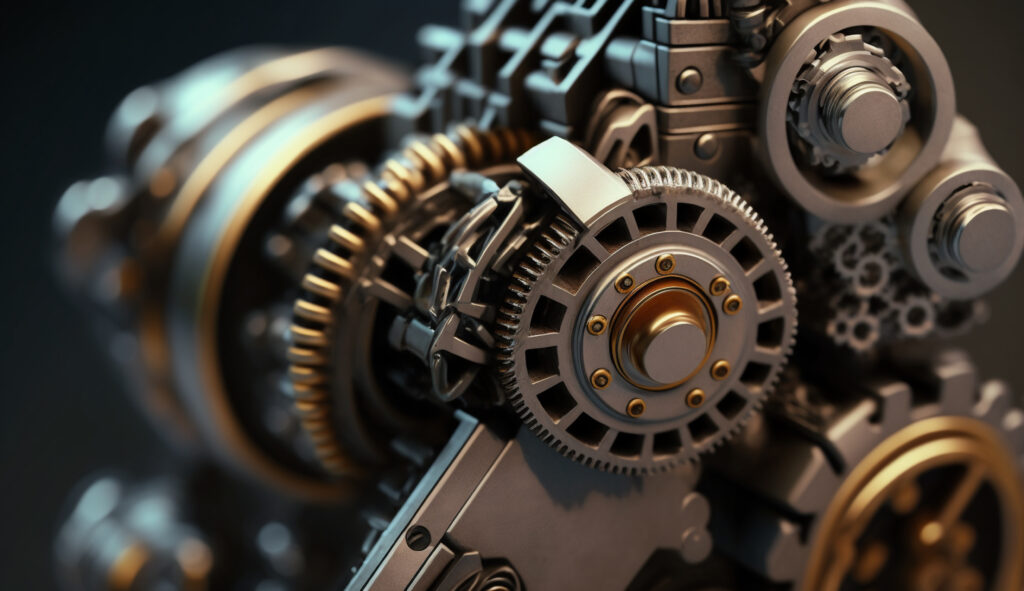
A gear is part of the transmission system that controls how power from the engine is delivered to the wheels. Gears allow your vehicle to move at different speeds while maintaining engine efficiency.
Functions of a Car Gear
- Transfers engine power to the wheels
- Controls vehicle speed
- Enables smooth acceleration
- Improves fuel efficiency
- Supports safe driving performance
When a gear becomes worn or damaged, the vehicle may struggle to move properly or operate safely.
Most Common Signs Your Car Gear Is Damaged
Recognizing early symptoms can prevent major transmission failure.
1. Difficulty Shifting the Car Gear
One of the first warning signs is trouble changing gears.
Symptoms
- Gear feels stiff or stuck
- Hard shifting
- Delay when shifting gears
- Gear refuses to engage
This problem often indicates internal wear or low transmission fluid.
2. Grinding Noise When Changing Gear
Grinding noises are strong indicators of mechanical damage.
Symptoms
- Grinding sound while shifting
- Clunking noise during acceleration
- Rattling noise from the transmission
These sounds usually suggest worn gear teeth or synchronization problems.
3. Car Gear Slipping
Gear slipping occurs when the vehicle changes gears unexpectedly.
Symptoms
- Sudden loss of power
- Engine revving without movement
- Vehicle jerking while driving
Gear slipping is a serious sign that your gear may be failing.
4. Delayed Vehicle Movement
A damaged gear can cause slow response when accelerating.
Symptoms
- Delay after pressing the accelerator
- Vehicle hesitates before moving
- Reduced engine performance
Delayed movement often indicates transmission wear.
5. Burning Smell From the Vehicle
A burning smell may signal overheating transmission fluid.
Symptoms
- Strong burning odor
- Overheated transmission
- Reduced gear performance
This condition can quickly damage your gear if ignored.
6. Transmission Warning Light
Modern vehicles use sensors to detect transmission issues.
Symptoms
- Check engine light appears
- Transmission warning message
- Reduced vehicle performance
Dashboard warnings should never be ignored.
What Causes Car Gear Damage?
Understanding the causes helps prevent future problems.
Low or Dirty Transmission Fluid
Transmission fluid lubricates and cools the gear components.
Effects
- Increased friction
- Overheating
- Gear wear
Aggressive Driving
Frequent sudden acceleration and hard braking put stress on gears.
Effects
- Gear wear
- Transmission damage
- Reduced vehicle lifespan
Worn Clutch (Manual Vehicles)
A worn clutch can cause gear slipping and transmission problems.
Effects
- Difficulty shifting
- Loss of power
- Gear damage
Lack of Maintenance
Ignoring routine servicing can lead to serious mechanical failure.
Effects
- Transmission overheating
- Gear failure
- Expensive repairs
Regular maintenance prevents most gear problems.
Is It Safe to Drive With a Damaged Car Gear?
Driving with a damaged gear is dangerous and can lead to sudden vehicle failure.
Risks of Driving With Gear Problems
- Complete transmission failure
- Loss of vehicle control
- Reduced fuel efficiency
- Expensive repairs
- Safety hazards on the road
If you notice gear problems, seek professional inspection immediately.
How Mechanics Diagnose Car Gear Problems
Professional diagnosis helps identify the exact issue.
Common Diagnostic Methods
- Transmission fluid inspection
- Road test evaluation
- Computer diagnostic scan
- Transmission pressure test
- Gear and clutch inspection
These tests confirm whether your gear is functioning properly.
How Much Does It Cost to Fix Car Gear Problems?
Repair costs vary depending on the severity of the damage.
Typical Repair Costs
- Transmission fluid replacement: ₦15,000 to ₦40,000
- Clutch replacement: ₦80,000 to ₦250,000
- Gear repair: ₦120,000 to ₦400,000
- Transmission rebuild: ₦250,000 to ₦800,000
- Transmission replacement: ₦500,000 to ₦2,000,000
Fixing gear issues early reduces repair costs significantly.
How to Prevent Car Gear Damage
Preventive maintenance helps extend the lifespan of your transmission.
Prevention Tips
- Check transmission fluid regularly
- Replace fluid according to schedule
- Avoid aggressive driving
- Do not overload your vehicle
- Fix transmission problems quickly
- Schedule routine servicing
- Use the correct transmission fluid
These simple steps help protect your gear and improve vehicle reliability.
When Should You Seek Immediate Repair?
You should contact a mechanic immediately if:
- Gear slipping occurs
- Grinding noise is heard
- Vehicle refuses to move
- Burning smell appears
- Warning lights turn on
- Gear shifting becomes difficult
Quick action prevents further mechanical damage.
Where to Get Help
If you’re unsure about your car condition or need expert advice, you can easily reach out for help. Early diagnosis of a gear problem can prevent transmission failure and costly repairs.
You can ask professional mechanics here:
https://askamechanic.asoroautomotive.com/
You can also access support here:
https://admin.asoroautomotive.com/
Or download the mobile app:
Apple App Store:
https://apps.apple.com/ng/app/ask-a-mechanic-app/id6758545607
Google Play Store:
https://play.google.com/store/apps/details?id=co.median.android.krrjkbd
You can also download the G-OBD AI Diagnostics App here:
https://play.google.com/store/apps/details?id=com.asoro.automotive
Getting expert help early ensures your vehicle remains safe and reliable.
Frequently Asked Questions About Car Gear Problems
What happens if a gear is damaged?
A damaged gear can cause shifting problems, loss of power, strange noises, and eventually transmission failure.
Can low transmission fluid damage a gear?
Yes. Low or dirty transmission fluid increases friction and heat, leading to wear and damage to the gear.
How long can you drive with a damaged car gear?
Driving with a damaged gear is unpredictable. The vehicle may fail suddenly, so repairs should be done as soon as possible.
Conclusion
A damaged car gear is a serious issue that can affect vehicle performance, safety, and reliability. Recognizing early warning signs such as gear slipping, grinding noises, and delayed acceleration helps prevent major transmission failure.
Regular maintenance, careful driving habits, and prompt repairs are the best ways to keep your transmission working smoothly and your vehicle running safely.
Leave a Reply