
Now let’s talk about car gears. Your vehicle’s transmission system relies on gears to deliver smooth power and efficient performance. When gears are damaged, your car’s drivability and safety are at risk.
Many drivers ask: How do I know if my gear is damaged?
Recognizing the early warning signs of car gear issues can save you from costly repairs and unexpected breakdowns.
Table of Contents
Why Car Gear Health Matters
The car gear system ensures proper speed control, torque distribution and smooth shifting. Damaged gears can lead to poor performance, reduced fuel efficiency and even complete transmission failure. That’s why paying attention to gear-related problems is essential for every driver.
Signs Your Car Gear May Be Damaged
1. Grinding or Clunking Noises
Unusual sounds when shifting gears often indicate worn or damaged gear teeth. This is one of the most common signs of car gear trouble.
2. Difficulty Shifting
If your gear lever feels stiff, resists movement or slips out of gear, it’s a clear warning that your gearbox needs inspection.
3. Slipping Gears
When your car unexpectedly shifts out of gear or struggles to stay engaged, it points to internal damage in the transmission system.
4. Burning Smell
A burning odor can signal overheating due to friction inside the gearbox, often linked to damaged gears or low transmission fluid.
5. Delayed Acceleration
If your car hesitates or fails to respond when you press the accelerator, damaged gears may be preventing proper power transfer.
6. Dashboard Warning Lights
Modern vehicles often alert drivers to transmission issues. If a warning light appears, it could be related to car gear damage.
Causes of Car Gear Damage
- Low or contaminated transmission fluid
- Excessive wear from aggressive driving
- Lack of regular maintenance
- Overheating of the gearbox
- Mechanical failure of internal components
Understanding these causes helps prevent future gear problems.
Why You Shouldn’t Ignore Car Gear Issues
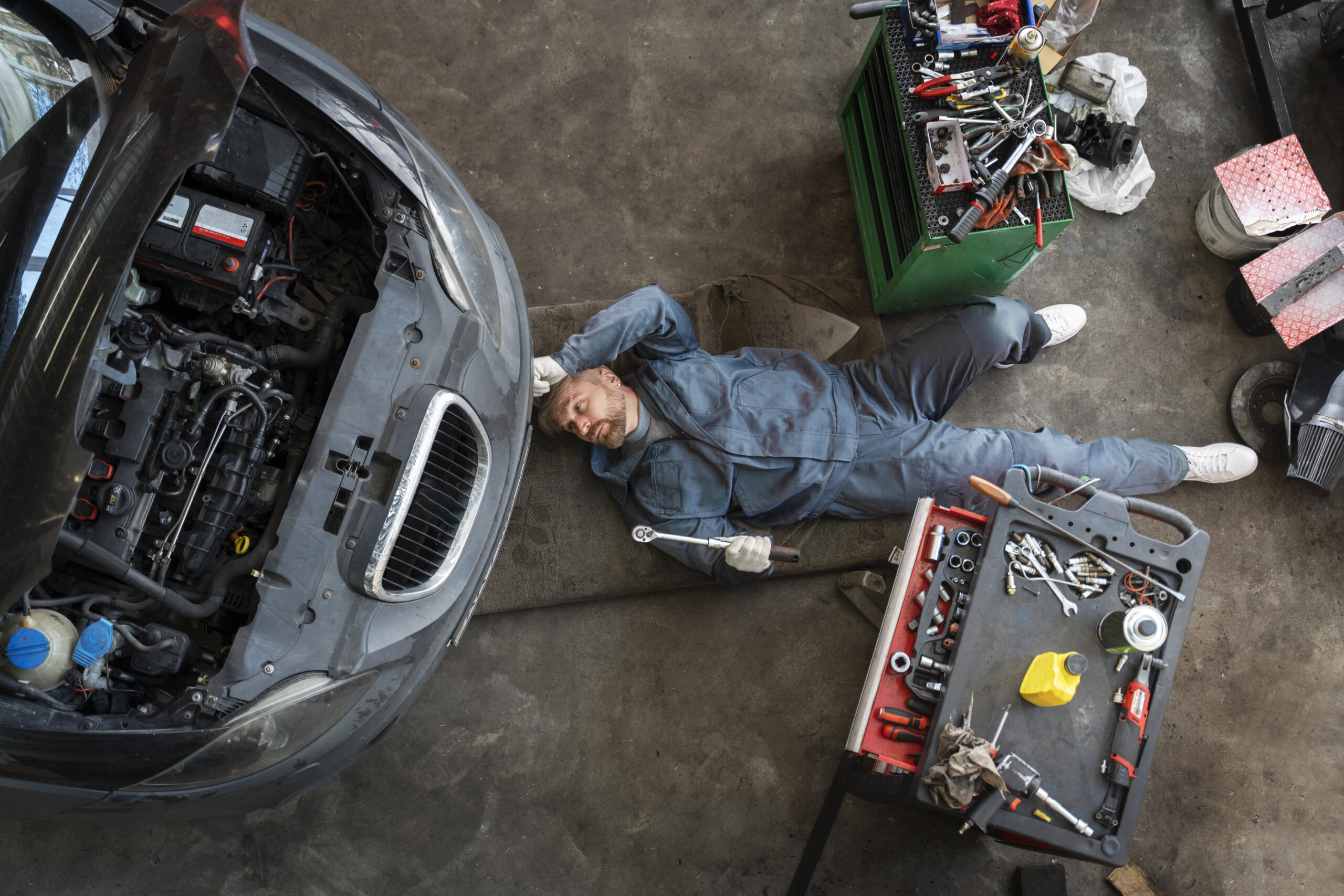
Driving with damaged gears can lead to:
- Complete transmission failure
- Higher repair costs
- Reduced safety and control
- Long-term damage to other drivetrain components
Timely diagnosis and repair of car gear problems ensure your vehicle remains reliable and safe.
So, how do you know if your gear is damaged?
Listen for grinding noises, watch for slipping gears, pay attention to warning lights and monitor your car’s performance.
Addressing car gear issues early prevents expensive repairs and keeps your vehicle running smoothly. Regular maintenance and inspections are the best way to protect your gearbox and extend your car’s lifespan.
How to Fix Car Gear Problems
1. Check and Replace Transmission Fluid
- Low or dirty fluid is a leading cause of gear issues.
- Drain old fluid, clean the transmission pan, and refill with manufacturer-recommended fluid.
- In automatic cars, fluid should be checked monthly; in manual cars, every 30,000–60,000 km.
2. Inspect Gear Linkage and Cables
- Misaligned or worn linkage can cause difficulty shifting.
- Adjust or replace cables and linkage components to restore smooth gear movement.
3. Repair or Replace Damaged Gears
- If gear teeth are chipped or broken, they must be machined, welded, or replaced.
- DIY fixes (like epoxy or reshaping) may work temporarily for small gears, but vehicle transmission gears require professional replacement.
4. Address Slipping Gears
- Slipping often indicates internal wear or clutch problems.
- Mechanics may replace worn clutch plates, bands, or damaged gear sets.
- In automatic transmissions, solenoids or valve bodies may need servicing.
5. Fix Overheating Issues
- Flush the transmission, replace filters, and ensure the cooling system is working.
6. Electronic Diagnostics
- Modern cars use sensors and control modules.
- A diagnostic scan tool can identify error codes linked to transmission problems.
- Replace faulty sensors or reprogram the transmission control unit (TCU) if needed.
Risks of DIY Gear Repair
- Complexity: Car gearboxes are intricate; improper repair can worsen damage.
- Safety: Driving with poorly repaired gears risks accidents.
- Cost: Attempting DIY fixes may lead to higher costs if the gearbox fails completely.
✅ Best Practices in Nigeria
- Use certified mechanics familiar with both manual and automatic transmissions.
- Avoid roadside quick fixes that only mask symptoms.
- Schedule regular servicing (every 6 months or 10,000 km).
- Replace rather than repair severely damaged gears to ensure long-term reliability.
If you have any questions, you can ask our mechanics on a live chat here or download our mobile app from Apple AppStore and Google Playstore. You can also download our G-OBD AI Diagnostics App on Playstore here.
Leave a Reply