
When it comes to vehicle reliability, one of the most common questions drivers ask is: can a car run without a car alternator? The short answer is yes—but only for a very limited time. It is the powerhouse of your vehicle’s electrical system, and without it, your battery alone cannot sustain the demands of modern driving. Understanding how the alternator works and why it’s essential can help you avoid costly breakdowns and keep your car running smoothly.
Once the alternator fails, the battery begins to drain immediately, powering everything from ignition to onboard electronics. As voltage drops, performance declines, warning lights appear, and the engine may eventually stall, often at the most inconvenient time.
What Does a Car Alternator Do?
The alternator is responsible for generating electricity while the engine is running. It charges the battery and powers critical systems such as headlights, dashboard instruments, power windows, and even safety features like airbags. Without a functioning car alternator, your battery would quickly drain, leaving your vehicle unable to start or operate.
Steering may become heavier, braking systems can be affected, and safety features may stop functioning properly. In traffic or at night, this situation becomes especially dangerous, increasing the risk of accidents and leaving drivers stranded without warning.
Can a Car Run Without an Alternator?
Technically, a car can run for a short period without an alternator, but only on the stored energy in the battery. Once that energy is depleted, the vehicle will stall. How long it lasts depends on the battery’s condition and the electrical load being used. For example, driving with headlights, air conditioning, or entertainment systems on will drain the battery much faster.
In older vehicles with fewer electrical demands, you might get a little more mileage before the battery dies. However, in modern cars packed with advanced electronics, the absence of a working alternator can cause immediate issues.
Signs Your Alternator May Be Failing

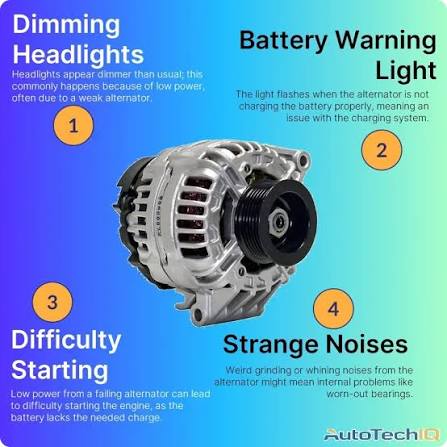
Recognizing the warning signs of the car alternator trouble can help you act before your car stops running altogether. Common indicators include:
• Dim or flickering headlights
• Battery warning light illuminated on the dashboard
• Difficulty starting the engine
• Electrical malfunctions such as slow power windows or erratic gauges
• Strange noises like grinding or whining under the hood
If you notice any of these symptoms, it’s time to have your car alternator inspected.
Why You Shouldn’t Drive Without a Car Alternator
Driving without a functioning alternator is risky. Not only will your battery drain quickly, but critical safety systems may fail. Imagine losing headlights at night or having your engine stall in traffic—it’s a dangerous situation that can easily be avoided with proper maintenance.
Warning lights may appear on the dashboard, power steering can become difficult, and electronic controls may shut down unexpectedly, putting both the driver and other road users at serious risk.
What to Do If Your Car Alternator Fails
If you suspect your alternator has failed, the best course of action is to have your vehicle inspected by a qualified mechanic. In most cases, replacing the alternator is the only solution. Regular maintenance checks can also help catch problems early, ensuring your car alternator continues to perform at its best.
While a car can technically run without an alternator for a short time, it’s not a sustainable or safe option. The alternator is essential for keeping your battery charged and powering the electrical systems that make driving safe and comfortable. By paying attention to warning signs and addressing issues promptly, you can avoid being stranded and keep your vehicle in top condition.
If you have any questions, you can ask our mechanics on a live chat here or download our mobile app from Apple AppStore and Google Playstore. You can also download our G-OBD AI Diagnostics App on Playstore here.
Leave a Reply