
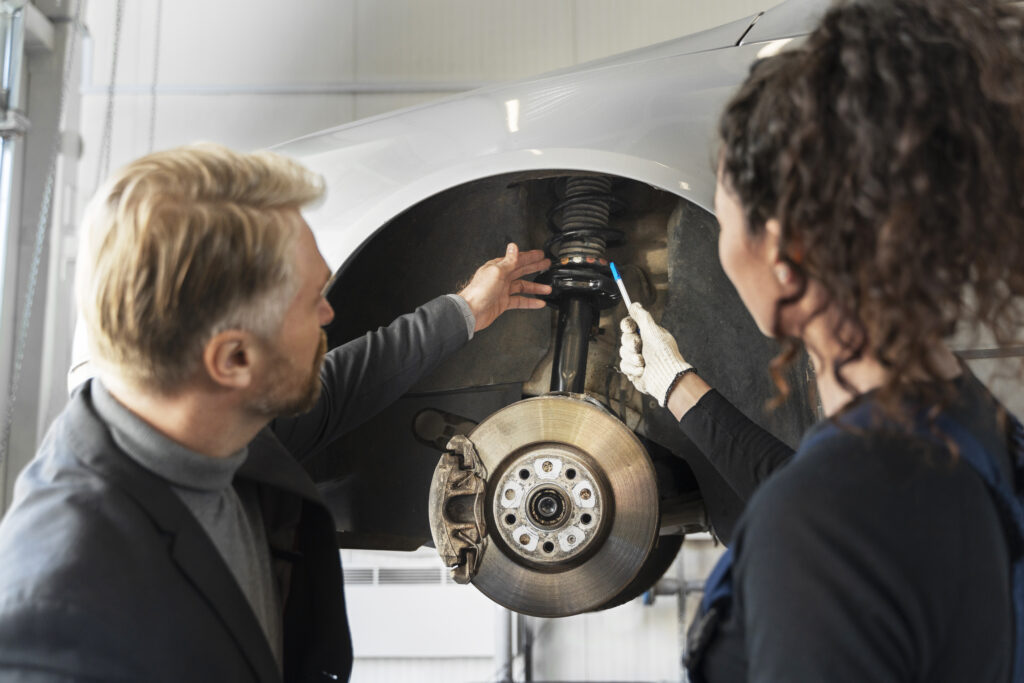
Your vehicle’s braking system is one of the most important safety features, and at the center of it are the brake pads. Over time, brake pads wear down due to friction, and knowing when they need replacing is crucial for safe driving. If you’ve ever asked yourself, how do you know if brake pads replacement is due? this guide will help you recognize the signs and understand why timely brake pads replacement is essential.
Table of Contents
Why Brake Pads Are Important
Brake pads press against the rotors to create the friction needed to slow down or stop your car. Without healthy brake pads, your vehicle’s stopping power is compromised, putting you and others at risk. Regular brake pads replacement ensures consistent performance and reliable safety on the road.
Signs Your Brake Pads Need Replacing
1. Squealing or Grinding Noises
One of the most common indicators of worn brake pads is a high-pitched squeal or grinding sound when braking. This noise means the pads are too thin and need immediate replacement.
2. Longer Stopping Distances
If your car takes longer to stop than usual, it’s a clear sign that your brake pads are worn out and losing effectiveness.
3. Vibrations in the Brake Pedal
A vibrating brake pedal often points to uneven wear or damaged rotors, which can be linked to worn brake pads.
4. Dashboard Warning Light
Modern vehicles have sensors that alert you when brake pads are worn. Never ignore this warning—it’s a direct signal that brake pads replacement is needed.
5. Visual Wear
If you can see less than a quarter inch of pad material left, it’s time to replace them. Thin pads mean reduced braking power and increased risk.
How to Extend the Life of Your Brake Pads
Replacing brake pads is unavoidable, but there are smart ways to slow down wear and keep your braking system in top shape. One of the most effective strategies is adjusting your driving style. Smooth, gradual braking reduces heat and friction, helping pads last longer. Avoid riding the brakes downhill or stopping abruptly in traffic, as these habits accelerate wear.
Regular brake and auto maintenance is equally important. During inspections, mechanics can measure pad thickness, check rotor condition, and ensure brake fluid is clean and at the right level. Fresh fluid keeps the system responsive and prevents unnecessary strain on the pads.
Quality also matters when it comes to replacement. While budget pads may seem appealing, they often wear faster and compromise safety. Choosing ceramic or semi‑metallic pads provides stronger performance, longer durability, and more consistent braking.
Environmental factors play a role too. Driving in heavy traffic, mountainous areas, or stop‑and‑go conditions naturally shortens pad life. Scheduling more frequent checks in these situations ensures you catch problems early.
By combining smart driving habits with routine brake and auto care, you extend pad life, reduce repair costs, and maintain reliable stopping power every time you hit the road.
How Often Should Brake Pads Be Replaced?
The lifespan of brake pads varies depending on driving habits, road conditions, and the type of pads used. On average, brake pads last between 30,000 to 70,000 miles. Regular inspections during routine maintenance help determine when brake pads replacement is necessary.
Why Timely Brake Pads Replacement Matters
Delaying replacement can lead to:
- Damage to rotors and calipers
- Reduced braking efficiency
- Higher repair costs
- Increased risk of accidents
By scheduling brake pads replacement as soon as you notice signs of wear, you protect your vehicle, save money, and ensure safe driving.
So, how do you know if brake pads need replacing?
Listen for unusual noises, watch for longer stopping distances, pay attention to warning lights, and inspect the pads regularly. Timely brake pads replacement is the key to maintaining your car’s safety and performance. Don’t wait until it’s too late,replace your brake pads before they compromise your driving experience.
If you have any questions, you can ask our mechanics on a live chat here or download our mobile app from Apple AppStore and Google Playstore. You can also download our G-OBD AI Diagnostics App on Playstore here.
Leave a Reply