
If you’ve just replaced your brake pads, or you’re planning to, there’s one critical step you should never skip: the 30 30 30 rule for brakes.
Table of Contents
Many drivers install new brake pads but ignore the process that actually makes them work properly. The result is reduced braking performance, noise, uneven wear, and possible rotor damage.
In this guide, you’ll learn exactly what the 30 30 30 rule is, why it matters, and how to apply it correctly to extend the life of your brake pads.
What Is the 30 30 30 Rule for Brakes?
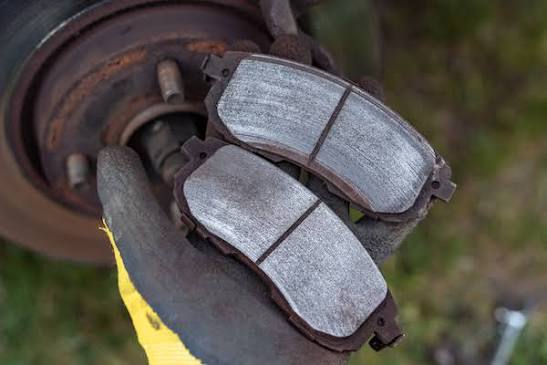
The 30 30 30 rule for brakes is a brake bedding procedure used after installing new brake pads. It helps transfer an even layer of friction material from the brake pads onto the brake rotors.
The rule consists of:
- 30 stops
- From 30 mph (approximately 50 km/h)
- With 30 seconds cooling time between each stop
This controlled process ensures your pads and rotors work together efficiently.
Why the 30 30 30 Rule Is Important for Brake Pads
New brake pads do not perform at their best immediately after installation. As explained in our detailed guide on brake maintenance, proper conditioning is essential for long-term performance.
Without proper bedding:
- Braking can feel weak or inconsistent
- Pads may wear unevenly
- Rotors can develop hot spots or warping
- You may hear squealing or grinding noises
The 30 30 30 rule solves this by creating a transfer layer, which is essential for optimal braking.
Key Benefits:
- Improves braking performance
- Extends pads lifespan
- Reduces noise and vibration
- Prevents rotor damage
- Ensures smooth and consistent stopping
How to Perform the 30 30 30 Brake Pads Bedding Process
Before starting, ensure your brake pads were properly installed. If you are unsure, read our step-by-step guide on
https://askamechanic.asoroautomotive.com/
for professional guidance.
Step 1: Find a Safe Location
Choose:
- An empty road
- A quiet industrial area
- A large open space
Avoid traffic and pedestrians.
Step 2: Accelerate to 30 mph (50 km/h)
Drive smoothly up to about 30 mph. Avoid aggressive acceleration.
Step 3: Apply Firm, Controlled Braking
Slow down to about 5–10 mph, but:
- Do not come to a complete stop
- Do not slam the brakes
Step 4: Repeat 30 Times
Perform 30 braking cycles using the same method.
Step 5: Allow 30 Seconds Between Stops
After each stop:
- Drive without braking for at least 30 seconds
- This allows the pads and rotors to cool
Step 6: Final Cool-Down
After completing all 30 cycles:
- Drive for 10–15 minutes without heavy braking
- Let the system cool gradually
Common Mistakes to Avoid When Bedding Brake Pads
Even if you follow the 30 30 30 rule, these mistakes can ruin your brake pads:
Coming to a Complete Stop
This can cause uneven pad material transfer and lead to vibration.
Skipping Cooling Time
Overheating the brakes can warp rotors and glaze brake pads.
Braking Too Aggressively
Hard braking can damage new pads before they are properly bedded.
Not Bedding at All
This leads to poor braking performance and reduced lifespan.
When Should You Use the 30 30 30 Rule?
You should apply this rule whenever you:
- Install new brake pads
- Replace brake rotors
- Upgrade to performance brake pads
It is especially important if you drive in heavy traffic conditions like those described in our brake wear guide, where constant stop-and-go driving increases pad wear.
How Long Do Brake Pads Last After Proper Bedding?
Brake pads typically last between 30,000 and 70,000 km, depending on:
- Driving habits
- Road conditions
- Vehicle load
- Brake pad material
For a full breakdown of these factors and how to monitor wear, you can consult professional resources such as
https://admin.asoroautomotive.com/
Proper bedding ensures you get the maximum lifespan and performance from your brake pads.
Additional Brake Maintenance Considerations
Even after bedding your pads, other components of the braking system must be maintained.
For example, if your brake pedal feels soft or spongy after replacement, your system may require bleeding. This involves removing air from the brake lines to restore proper hydraulic pressure.
You can learn more about brake system operation from trusted external resources such as:
- https://www.brembo.com/en/company/news/brake-system-how-it-works
- https://www.howacarworks.com/brakes/how-the-braking-system-works
These resources explain how braking systems function and why proper maintenance is critical for safety.
Need Help? Talk to a Mechanic Instantly
If you’re unsure about your brake condition, you can get expert help instantly.
Ask our mechanics here:
https://askamechanic.asoroautomotive.com/
Access admin chat:
https://admin.asoroautomotive.com/
Download our mobile app:
Download G-OBD AI Diagnostics App:
Play Store Link
Final Thoughts
The 30 30 30 rule for brakes is a simple but essential process that ensures your pads perform at their best from the moment they are installed.
Skipping this step can lead to noise, uneven wear, and reduced braking efficiency. When done correctly, it improves safety, extends the life of your brake pads, and delivers consistent performance.
Leave a Reply