
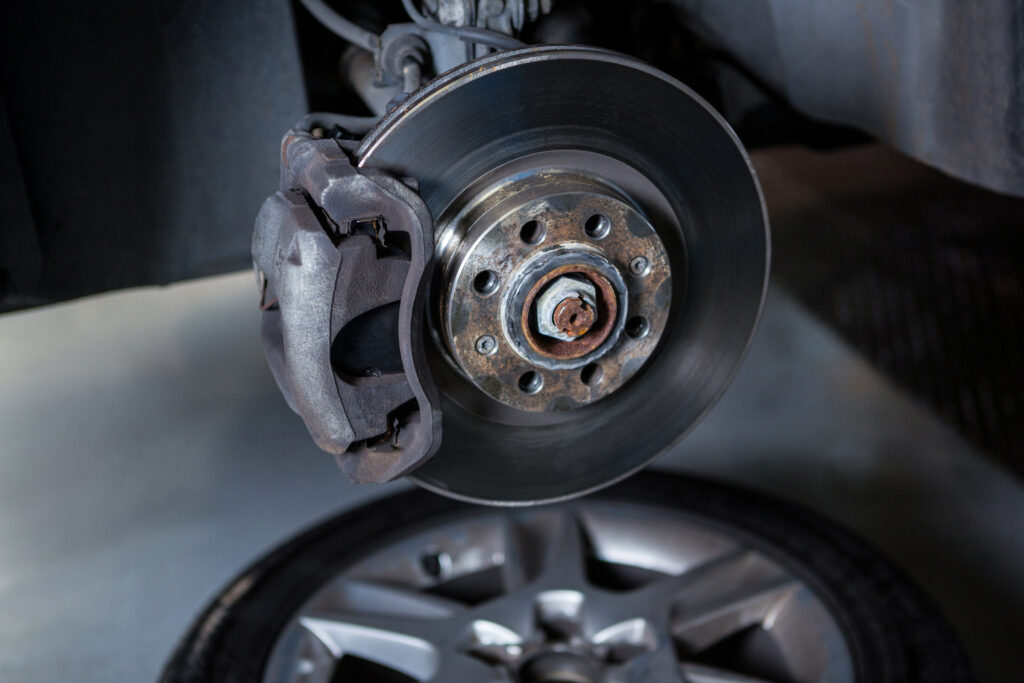
When it comes to vehicle safety, few components are as critical as the brake system. At the heart of this system are brake pads, which play a vital role in ensuring your car stops effectively and safely. If you’ve ever wondered what is the function of a brake pad?
the answer lies in its ability to provide friction, control, and reliability every time you press the brake pedal.
Table of Contents
The Primary Function of Brake Pads
They are designed to press against the brake rotors when you apply the brakes. This contact creates friction, which slows down and eventually stops the wheels from turning. Without their proper function, your vehicle would struggle to stop, putting you and others at risk.
Why Brake Pads Are Essential for Safe Driving
- Friction and Stopping Power: They convert kinetic energy into heat, allowing your car to slow down smoothly.
- Protection for Rotors: They act as a buffer between the calipers and rotors, preventing direct metal-to-metal contact.
- Consistent Performance: Quality brake pad ensures reliable braking in different driving conditions, from city traffic to highway speeds.
- Safety Assurance: Effective braking reduces the risk of accidents and gives drivers confidence behind the wheel.
Signs Your Brake Pads Need Attention
Like all car parts, brake pad wears down over time. Recognizing the signs of worn pads can save you from costly repairs and dangerous situations:
- Squealing or grinding noises when braking
- Longer stopping distances
- Vibrations in the brake pedal
- Brake warning light on the dashboard
- Visible thinning of the brake pad material
If you notice any of these symptoms, it’s time to have your brake pads inspected and replaced.
How Often Should Brake Pads Be Replaced?
Their lifespan depends on driving habits, road conditions, and the type of pads used. On average, they last between 30,000 to 70,000 miles. Regular maintenance checks are the best way to ensure your brake pad is in good condition and replaced before they compromise your safety.
Choosing the Right Brake Pads
Not all brake pads are created equal. Options include ceramic, semi-metallic, and organic pads, each offering different levels of performance, durability, and cost. Consulting a trusted mechanic helps you select the right brake pads for your vehicle and driving style.
Preventing Premature Brake Pad Wear
Understanding the function of brake pads is important, but preventing excessive wear is equally vital for long‑term brake and auto safety. One of the most effective ways to extend brake pad life is through mindful driving habits. Avoiding sudden stops, reducing aggressive braking, and maintaining a safe following distance all help minimize unnecessary friction and heat buildup.
Regular inspections are another key factor. During routine brake and auto maintenance, mechanics can check pad thickness, rotor condition, and fluid levels. Catching early signs of uneven wear or contamination ensures timely adjustments before problems escalate.
Brake fluid also plays a crucial role in pad performance. Old or contaminated fluid can reduce braking efficiency and place extra strain on pads. Flushing and replacing fluid at recommended intervals keeps the system responsive and protects against premature wear.
Additionally, choosing quality replacement parts matters. While cheaper pads may seem cost‑effective, they often wear down faster and compromise safety. Investing in ceramic or semi‑metallic pads provides better durability, smoother braking, and longer service intervals.
Finally, consider your environment. Driving in heavy traffic, mountainous terrain, or stop‑and‑go conditions accelerates pad wear. Scheduling more frequent inspections in these conditions helps maintain reliable performance.
By combining smart driving practices with consistent brake and auto care, you not only extend the lifespan of your brake pads but also ensure safer, smoother driving every day.
So, what is the function of a brake pad? Simply put, brake pads provide the friction needed to stop your car safely and effectively. They protect your rotors, ensure smooth braking and are essential for overall vehicle safety. Regular inspections and timely replacements are the key to keeping your brake system in top condition.
If you have any questions, you can ask our mechanics on a live chat here or download our mobile app from Apple AppStore and Google Playstore. You can also download our G-OBD AI Diagnostics App on Playstore here.
Leave a Reply