
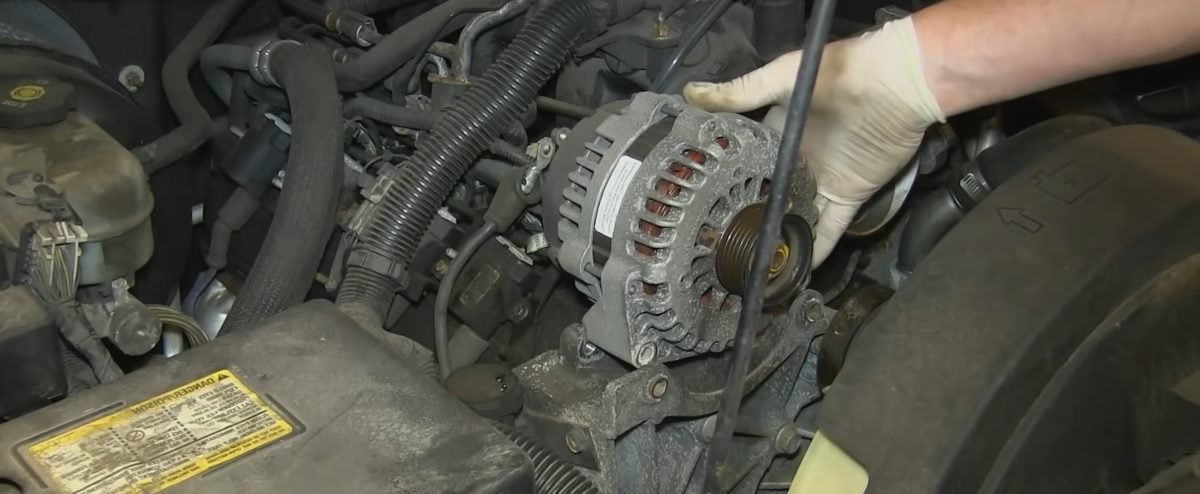
One of the most critical components in your vehicle’s performance is the fuel pump. It’s responsible for delivering fuel from the tank to the engine at the right pressure, ensuring smooth acceleration and reliable operation. When It starts to fail, your car can experience a range of issues that, if ignored, may lead to complete breakdown. Knowing the signs of a bad fuel pump can save you time, money, and frustration.
Why the Fuel Pump Matters
It plays a vital role in the combustion process. Without a properly functioning pump, the engine won’t receive the correct amount of fuel, leading to poor performance or even stalling. Because modern vehicles rely heavily on electronic fuel injection systems, a failing fuel pump can quickly disrupt the entire driving experience.
When fuel delivery becomes inconsistent, you may notice symptoms such as difficulty starting the engine, sudden loss of power during acceleration, or hesitation while driving. In some cases, the engine may surge unexpectedly or shut off without warning, especially under heavy load or at high speeds. Over time, continued operation with a weak pump can place extra strain on the engine and other fuel system components. Recognizing these warning signs early and addressing the issue promptly can help prevent breakdowns, reduce repair costs, and ensure smoother, more reliable performance on the road.
Common Signs of a Bad Fuel Pump
Recognizing the symptoms early can help you avoid costly repairs. Here are the most common indicators that your fuel pump may be failing:
Difficulty Starting the Car
If your vehicle struggles to start or requires multiple attempts, it may not be delivering enough fuel to the engine.
Engine Sputtering at High Speeds
A failing fuel pump often causes the engine to sputter when driving at highway speeds, as it cannot maintain consistent fuel pressure.
Loss of Power Under Stress
If your car loses power while climbing hills, accelerating, or carrying heavy loads, the fuel pump may be unable to keep up with demand.
Unusual Noise from the Fuel Tank
A whining or humming sound coming from the fuel tank is often a sign that the fuel pump is wearing out.
Unusual Noise from the Fuel Tank
A whining or humming sound coming from the fuel tank is often a sign that the fuel pump is wearing out.
Poor Fuel Efficiency
When it isn’t working correctly, the engine may burn more fuel than necessary, leading to reduced mileage.
Engine Stalling
Sudden stalling, especially when the car is hot, can indicate that the fuel pump is overheating or failing.
Why You Shouldn’t Ignore Fuel Pump Problems
Driving with a bad fuel pump is risky. Not only can it leave you stranded, but it can also cause damage to other components of the fuel system. Ignoring the warning signs can lead to complete pump failure, which often requires expensive replacement and towing costs. In addition, inconsistent fuel delivery can cause the engine to misfire, overheat, or stall unexpectedly in traffic.
This creates a safety risk for both the driver and other road users. Addressing its issues early helps maintain engine efficiency, prevents secondary damage, and ensures your vehicle remains dependable for daily driving or long-distance trips.
What to Do If You Suspect a Bad Fuel Pump
If you notice any of these symptoms, it’s important to have your vehicle inspected by a qualified mechanic. In many cases, replacing the fuel pump is the only solution. Regular maintenance, such as keeping your fuel tank at least a quarter full, can also help extend the life of your pump.
If you have any questions, you can ask our mechanics on a live chat here or download our mobile app from Apple AppStore and Google Playstore. You can also download our G-OBD AI Diagnostics App on Playstore here.
Leave a Reply