Table of Contents
6 Powerful Auto Engine Oil Signs You Must Not Ignore
Your vehicle depends heavily on auto engine oil to function properly. Engine oil lubricates moving parts, reduces friction, prevents overheating, and keeps the engine clean. Without proper oil levels or quality, your engine can suffer severe damage in a short time.
Many drivers overlook early warning signs related to auto engine oil until the problem becomes serious. Recognizing these signs early can save you from expensive repairs, unexpected breakdowns, and reduced engine lifespan.
In this guide, you will learn the six most important engine oil warning signs you must never ignore, why they occur, and what actions to take immediately.
What Does Auto Engine Oil Do?
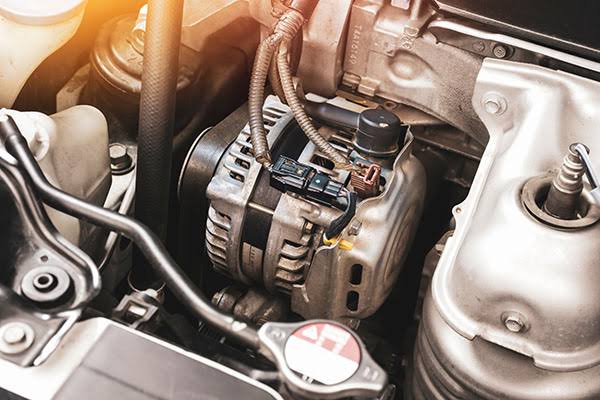
Before discussing the warning signs, it is important to understand the role of auto engine oil in your vehicle.
Auto engine oil performs several critical functions:
- Lubricates engine components
- Reduces friction and wear
- Prevents overheating
- Cleans engine parts
- Protects against corrosion
- Improves engine performance
Without proper oil circulation, engine components can overheat and fail quickly.
6 Powerful Auto Engine Oil Signs You Must Not Ignore
These warning signs indicate potential problems with your vehicle’s engine oil system.
1. Low Oil Level Warning Light
One of the most obvious signs of an auto engine oil problem is the oil warning light on your dashboard.
This light may indicate:
- Low oil level
- Oil pressure issues
- Oil pump malfunction
- Engine lubrication failure
If this warning light appears, check the oil level immediately and avoid driving long distances until the issue is resolved.
Ignoring this sign can lead to engine failure.
2. Dark, Dirty, or Thick Oil
Clean auto engine oil typically has a light amber color. Over time, oil becomes darker due to dirt, debris, and combustion byproducts.
Signs of contaminated oil include:
- Dark or black oil
- Thick or sludgy texture
- Burning smell
- Reduced engine performance
Dirty oil loses its ability to lubricate properly, increasing engine wear.
Regular oil changes help maintain engine health.
3. Engine Knocking or Ticking Noise
Unusual engine noises often indicate insufficient lubrication caused by low or degraded auto engine oil.
Common sounds include:
- Knocking
- Ticking
- Grinding
- Rattling
These noises occur when metal components rub against each other due to poor lubrication.
This is a serious warning sign that requires immediate attention.
4. Exhaust Smoke from the Engine
Smoke coming from the exhaust can signal problems with auto engine oil.
Different smoke colors indicate different issues:
- Blue smoke: Burning engine oil
- White smoke: Coolant leak
- Black smoke: Excess fuel combustion
Blue smoke is the most common indicator of oil burning inside the engine.
This issue should be diagnosed quickly to prevent engine damage.
5. Oil Leaks Under the Vehicle
Oil spots under your car are a clear sign of an auto engine oil leak.
Common causes include:
- Worn seals
- Loose oil filter
- Damaged oil pan
- Cracked gaskets
- High engine pressure
Ignoring oil leaks can lead to low oil levels and engine overheating.
Address leaks immediately to prevent further damage.
6. Burning Oil Smell Inside the Car
A strong burning smell is another warning sign related to auto engine oil.
This may occur when oil leaks onto hot engine components.
Possible causes include:
- Oil leaking onto the exhaust system
- Overheating engine
- Damaged seals
- Excess oil pressure
If you notice this smell, stop the vehicle and inspect the engine.
How Often Should You Change Auto Engine Oil?
Regular oil changes are essential for maintaining engine performance.
Typical oil change intervals:
- Every 5,000 to 10,000 kilometers
- Every 3 to 6 months
- Based on manufacturer recommendations
- Depending on driving conditions
Frequent driving in traffic, extreme heat, or dusty environments may require more frequent oil changes.
What Happens If You Ignore Auto Engine Oil Problems?
Ignoring auto engine oil warning signs can lead to serious consequences.
Potential risks include:
- Engine overheating
- Increased fuel consumption
- Reduced engine lifespan
- Expensive repairs
- Engine seizure
- Complete engine failure
Early detection prevents costly damage.
How to Maintain Proper Auto Engine Oil Levels
Simple maintenance steps can help keep your engine running smoothly.
Follow these best practices:
- Check oil level regularly
- Change oil on schedule
- Use the correct oil type
- Inspect for leaks
- Replace oil filter during oil changes
- Monitor dashboard warning lights
Routine maintenance improves engine reliability.
When Should You See a Mechanic?
You should seek professional assistance if:
- The oil warning light stays on
- You hear unusual engine noises
- You notice frequent oil leaks
- The engine overheats
- Oil consumption increases
- The vehicle performance declines
Prompt inspection helps prevent severe engine damage.
Where to Get Help
If you’re unsure about your car condition or need expert advice, you can easily reach out for help. Professional guidance can prevent small issues from turning into costly repairs.
You can ask professional mechanics here:
https://askamechanic.asoroautomotive.com/
You can also access support here:
https://admin.asoroautomotive.com/
Or download the mobile app:
Apple App Store:
https://apps.apple.com/ng/app/ask-a-mechanic-app/id6758545607
Google Play Store:
https://play.google.com/store/apps/details?id=co.median.android.krrjkbd
You can also download the G-OBD AI Diagnostics App here:
https://play.google.com/store/apps/details?id=com.asoro.automotive
Getting professional help early can improve vehicle safety, reduce repair costs, and keep your vehicle running efficiently.
Conclusion
Your vehicle relies on auto engine oil to operate safely and efficiently. Recognizing early warning signs such as low oil levels, engine noise, leaks, and burning smells can help you prevent serious engine damage.
Regular oil checks, timely oil changes, and professional inspections are essential for maintaining engine performance and avoiding costly repairs.
Leave a Reply