
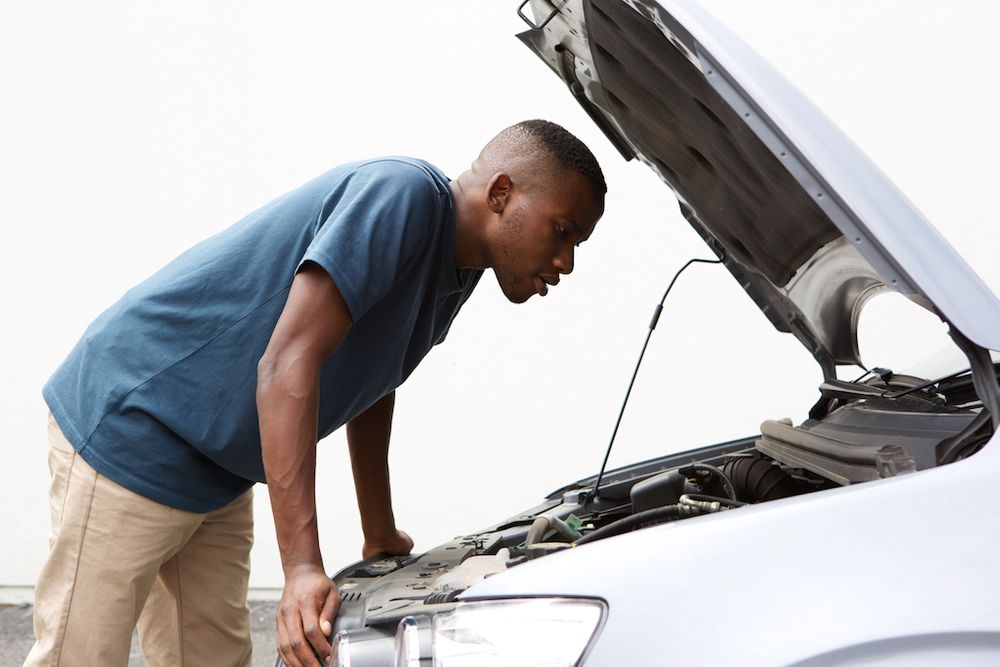
For many car owners, the question arises sooner or later: can you replace an alternator yourself? The alternator automotive system is one of the most critical components in your vehicle, responsible for keeping the battery charged and powering essential electrical systems. While professional mechanics often handle alternator replacement, some drivers wonder if it’s a task they can take on themselves.
The answer largely depends on your level of experience, access to tools, and understanding of your vehicle’s design. Older models with simpler engine layouts may be easier to work on, while modern cars often have tighter spaces and more complex electrical connections. Before attempting the repair, it’s important to assess whether you can safely disconnect and reconnect wiring, manage belt tension correctly, and follow manufacturer guidelines.
Additionally, car owners should consider the potential risks. Incorrect installation can lead to charging issues, warning lights, or damage to surrounding components. Taking time to research the process, consult repair manuals, and evaluate your comfort level can help you decide whether a DIY approach is practical or if professional assistance is the smarter choice.
Is DIY Alternator Replacement Possible?

Yes, it is possible to replace an alternator yourself, but it requires mechanical knowledge, the right tools, and careful attention to detail. The alternator automotive system is not overly complex, but improper installation can lead to electrical issues or even damage to your vehicle. Before attempting the repair, it’s important to understand your car’s layout, belt configuration, and electrical connections, as these vary across models.
DIY replacement of an alternator automotive system usually involves disconnecting the battery, loosening the drive belt, removing the mounting bolts, and carefully reconnecting the electrical wiring connected to the alternator automotive unit. Missing a step during an alternator automotive replacement or overtightening components can cause belt misalignment, voltage regulation problems, or premature failure of the alternator automotive system. Additionally, modern vehicles often have limited engine bay space, making access to the alternator automotive component more difficult without specialized tools or proper mechanical experience.
While doing it yourself can save on labor costs, mistakes can be expensive. If you’re unsure about diagnosing electrical faults, handling wiring safely, or resetting warning lights after installation, seeking professional help is often the safer option. A qualified mechanic ensures proper installation, correct torque settings, and reliable performance, giving you peace of mind and protecting other electrical components in the long run.
Replacing an alternator typically involves:
• Disconnecting the battery to ensure safety.
• Removing the serpentine belt that drives the alternator.
• Unbolting and disconnecting the old alternator.
• Installing the new alternator and reconnecting all wiring.
• Reattaching the belt and testing the system.
While these steps may sound straightforward, each vehicle has unique design elements that can make the process more challenging.
Challenges of Replacing an Alternator Yourself
Even though DIY replacement is possible, there are several challenges to consider:
• Accessibility: In some vehicles, the alternator is easy to reach. In others, it may be buried under multiple components.
• Tools Required: You’ll need proper wrenches, sockets, and sometimes specialty tools to complete the job.
• Electrical Knowledge: Mistakes in wiring can cause serious damage to the alternator automotive system.
• Time and Effort: For beginners, the process can take several hours compared to a professional mechanic who may finish in less than one.
When to Leave It to the Professionals
If you’re not confident in your mechanical skills, it’s best to leave alternator replacement to a qualified technician. A professional ensures the job is done correctly, prevents damage to other components, and often provides a warranty on parts and labor.
So, can you replace an alternator yourself? The answer is yes, but only if you have the right tools, mechanical knowledge, and patience. The alternator automotive system is vital to your car’s performance, and while DIY replacement can save money, it also carries risks if done incorrectly. For most drivers, professional service offers peace of mind and long-term reliability.
If you have any questions, you can ask our mechanics on a live chat here or download our mobile app from Apple AppStore and Google Playstore. You can also download our G-OBD AI Diagnostics App on Playstore here.
Leave a Reply