
Knowing when to handle a car issue yourself and when to call in a professional car repair can save you time, money, and unnecessary stress. While some minor maintenance tasks are manageable at home, others require the experience and diagnostic tools of a trained mechanic. Understanding the difference is essential for keeping your vehicle safe and reliable.
A well-maintained car isn’t just about convenience—it’s about safety, longevity, and peace of mind. Recognizing your limits as a car owner is often the first step toward protecting your vehicle and everyone who rides in it.
Table of Contents
DIY Car Maintenance: What You Can Handle at Home
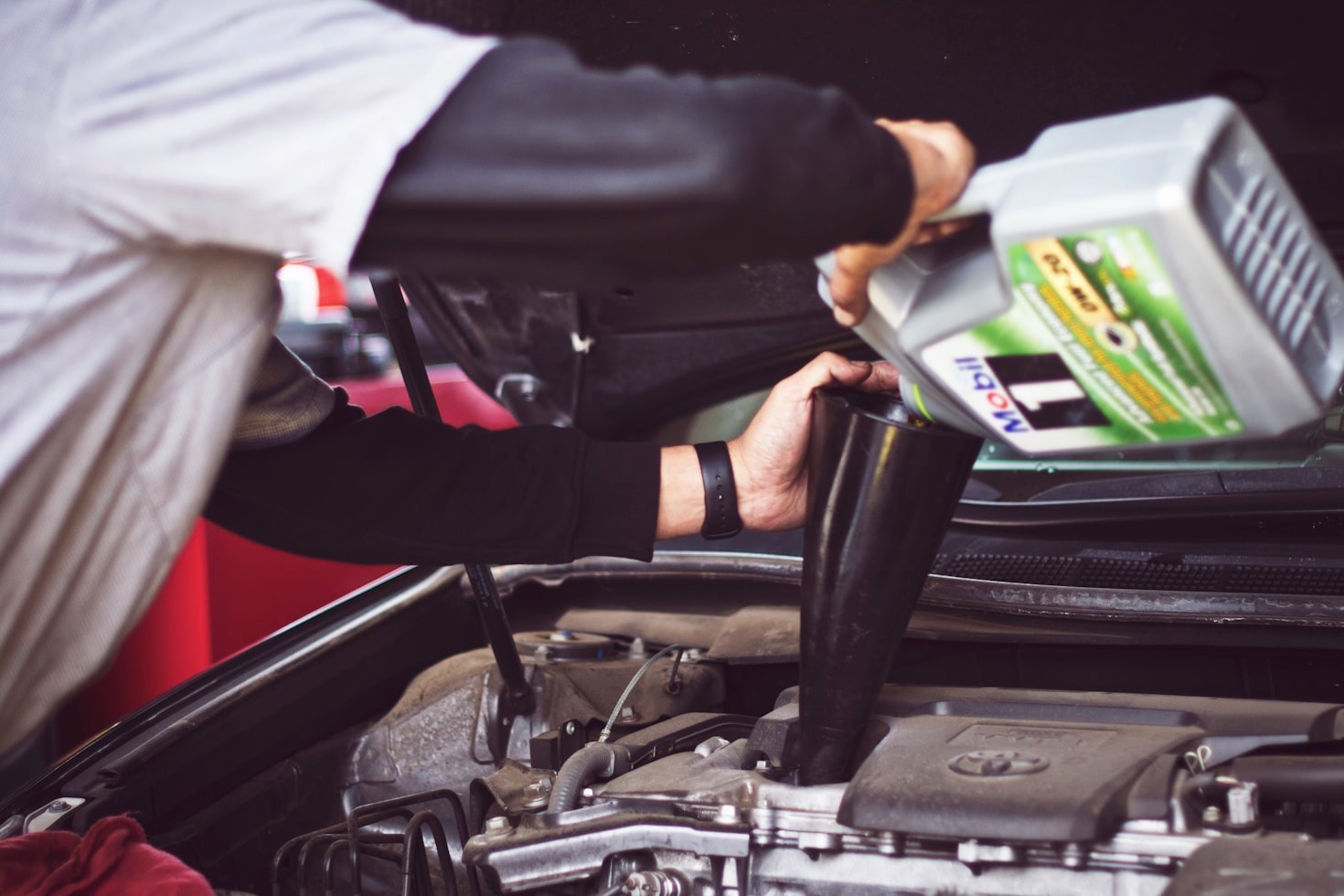
There are several basic maintenance tasks that most drivers can manage without professional help. These include:
- Checking and topping up fluids such as windshield washer fluid, coolant, and engine oil.
- Replacing air filters to improve airflow and fuel efficiency.
- Changing wiper blades for better visibility during rain.
- Maintaining tire pressure with a portable gauge and inflator.
- Battery checks and simple replacements if you’re comfortable with basic tools.
These tasks are relatively straightforward, require minimal equipment, and can save you money when performed regularly.
When Professional Car Repair Is Necessary
Some issues go beyond DIY fixes and should always be handled by a qualified mechanic. Attempting these repairs without proper training can make the problem worse or compromise safety.
1. Dashboard Warning Lights
Modern vehicles rely on complex computer systems. When warning lights appear, they often require specialized diagnostic equipment to interpret. A loose gas cap may trigger a light, but more serious codes can point to engine misfires, transmission problems, or sensor failures.
2. Strange Noises and Vibrations
Unusual sounds—such as grinding, knocking, or squealing—can indicate deeper mechanical issues. Persistent vibrations may signal problems with the suspension, tires, or drivetrain. These are not issues to ignore, and professional inspection is the safest route.
3. Fluid Leaks
Leaking oil, coolant, or transmission fluid is a clear sign of trouble. Identifying the source of a leak requires lifting the car, inspecting seals, and sometimes dismantling components. A mechanic can quickly pinpoint the cause and prevent further damage.
4. Safety-Related Repairs
Systems involving brakes, steering, suspension, or airbags should never be left to DIY fixes. These components are critical to your safety and the safety of others on the road. Even if a temporary solution seems possible, professional repair ensures the work meets proper standards.


Why Professional Car Repair Matters
Choosing professional repair isn’t just about fixing problems—it’s about protecting your investment and ensuring long-term reliability.
- Accuracy: Mechanics use diagnostic tools to identify issues precisely, reducing guesswork.
- Safety: Proper repairs prevent accidents caused by mechanical failures.
- Longevity: Professional care extends the lifespan of your vehicle.
- Value: A well-maintained car retains higher resale value.
Attempting complex repairs without the right tools or knowledge can lead to bigger problems, higher costs, and even voided warranties.
Balancing DIY and Professional Care
The smartest approach is to balance DIY maintenance with professional inspections. Handle simple tasks at home to save money, but schedule routine check-ups with a mechanic to catch issues early. For example:
- Perform monthly checks on fluids, tires, and lights.
- Schedule professional inspections every 6–12 months.
- Seek immediate help if warning lights, leaks, or unusual noises occur.
This balance ensures you stay proactive without taking unnecessary risks.
Making the Right Choice for Your Vehicle
Ultimately, knowing when to consider a professional car repair comes down to recognizing complexity, safety concerns, and long-term value. While basic maintenance can be handled at home, advanced diagnostics and critical repairs are best left to experts. Trusting a professional mechanic not only protects your vehicle but also gives you confidence every time you get behind the wheel.
When in doubt, seeking expert advice is always a smart investment. A little caution today can save you from major expenses tomorrow and keep your car dependable for years to come.
If you have any questions, you can ask our mechanics on a live chat here or download our mobile app from Apple AppStore and Google Playstore. You can also download our G-OBD AI Diagnostics App on Playstore here.
Leave a Reply