
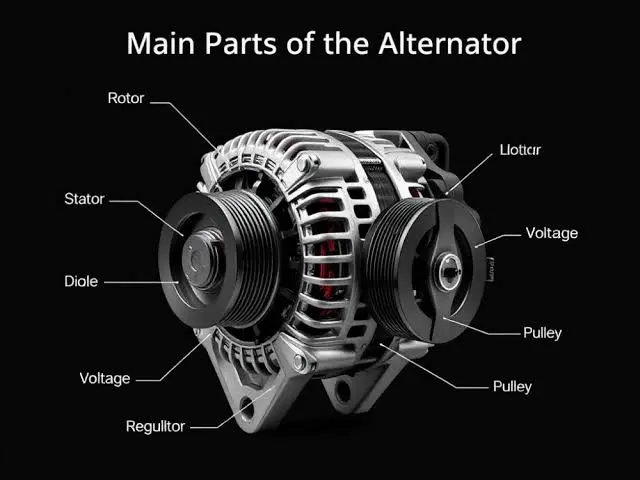
If you’ve ever wondered how your car keeps running smoothly even with multiple electrical systems in use, the answer lies in a key engine component responsible for power generation, the alternator. This vital part works quietly in the background, ensuring that electricity flows consistently to essential features like lighting, climate control, infotainment systems, and onboard sensors. It is often overlooked until warning signs appear, such as dim lights or repeated battery issues.
Understanding how this component supports your vehicle can help you recognize problems early and take action before minor issues escalate into expensive repairs. When it begins to fail, overall performance suffers, fuel efficiency may drop, and safety systems can become unreliable. Regular inspections, proper belt tension, and timely servicing play an important role in keeping your car dependable, efficient, and ready for everyday driving or long-distance trips.
The Core Function
It s the powerhouse of your car’s electrical system. Its primary role is to generate electricity while the engine is running. Unlike the battery, which stores energy, the alternator continuously produces power to keep the battery charged and supply electricity to essential systems.
In simple terms, the alternator converts mechanical energy from the engine into electrical energy. This ensures that your headlights, dashboard instruments, power windows, and even safety features like airbags function properly. Without a working alternator, your battery would quickly drain, and your car would stall.
How It Works
It operates using a belt-driven system connected to the engine. As the engine runs, the belt spins the alternator’s rotor, creating a magnetic field. This process generates alternating current (AC), which is then converted into direct current (DC) to power the vehicle’s electrical systems and recharge the battery.
This continuous cycle ensures that your car has a steady supply of electricity, no matter how many systems are in use. From headlights to air conditioning, it keeps everything running efficiently. Modern vehicles rely heavily on electrical power to operate advanced features such as navigation systems, power windows, safety sensors, and engine management controls. When this steady supply is maintained, your car responds better, operates more smoothly, and delivers a more comfortable driving experience.
Consistent electrical output also helps protect the battery from excessive strain, extending its lifespan and reducing the chances of sudden failure. Without this balance, voltage fluctuations can cause warning lights to appear, affect performance, and lead to unexpected shutdowns. Ensuring this system functions properly is essential for reliability, safety, and overall vehicle longevity, especially during long drives or heavy traffic conditions.
Why It Is Essential
It does more than just keep the battery charged. It plays a critical role in overall vehicle safety and performance:
• Powering Electrical Systems: From entertainment units to navigation systems, it ensures consistent power delivery.
• Maintaining Battery Health: By recharging the battery, the alternator prevents frequent jump-starts and premature battery failure.
• Supporting Safety Features: Systems like airbags, ABS brakes, and headlights rely on it for reliable operation.
Signs of Alternator Trouble
Recognizing when your alternator is failing can save you from unexpected breakdowns. Common warning signs include:
• Dim or flickering headlights
• Battery warning light on the dashboard
•Strange noises such as grinding or whining
• Electrical malfunctions with windows or gauges
If you notice any of these issues, it’s important to have your alternator inspected promptly.
The alternator is more than just a supporting component—it’s the heart of your car’s electrical system. By generating electricity, recharging the battery, and powering critical systems, it ensures your vehicle runs safely and efficiently. Understanding its function helps you appreciate its importance and stay alert to potential problems.
If you have any questions, you can ask our mechanics on a live chat here or download our mobile app from Apple AppStore and Google Playstore. You can also download our G-OBD AI Diagnostics App on Playstore here.
Leave a Reply