
One of the most common questions drivers ask when facing engine performance issues is whether they can handle oxygen sensor replacement on their own. The oxygen sensor is a small but vital component in your car’s exhaust system. It monitors oxygen levels in the exhaust gases and sends data to the engine control unit (ECU), helping regulate the air-fuel mixture for optimal combustion. When the sensor fails, it can cause poor fuel economy, rough idling, and increased emissions. But do you really need a mechanic, or can you replace it yourself?
Why Preventative Car Care Matters
Keeping your car in top condition isn’t just about fixing problems when they arise, it’s about preventing them in the first place. At Ask a Mechanic by Asoro Automotive, we emphasize the importance of routine maintenance because it saves drivers time, money, and stress in the long run.
Simple services like oil changes, brake inspections, and tire rotations may seem minor, but they extend the life of your vehicle and improve safety on the road. Neglecting these essentials often leads to expensive repairs, from engine damage to transmission failure. By following recommended service intervals, you protect your investment while enjoying better fuel efficiency and smoother performance.
It’s also crucial to recognize early warning signs. Strange noises, dashboard lights, or unusual vibrations should never be ignored. Our expert mechanics provide clear explanations so you can spot issues before they escalate. Whether you drive a compact car, SUV, or truck, proactive care ensures reliability and peace of mind.
Transparency is another cornerstone of our approach. Many car owners worry about being overcharged or misled but Ask A Mechanic builds trust by offering honest advice and practical solutions. When you understand what’s happening under the hood, you feel more confident making repair decisions.
A well‑maintained car is safer, more efficient, and more enjoyable to drive. Don’t wait until a breakdown forces you into the shop reach out to our team today for guidance and reliable service that keeps you confidently on the road.
Table of Contents
Why the Oxygen Sensor Replacement Matters
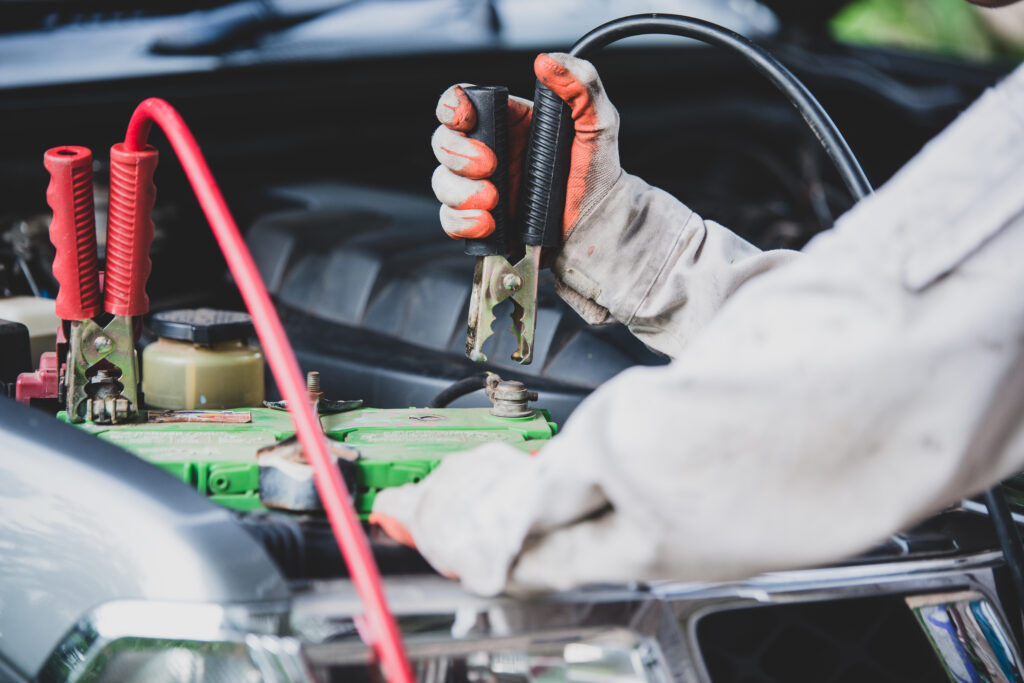
The oxygen sensor ensures your engine runs efficiently by balancing fuel and air. A faulty sensor can trigger the check engine light, reduce mileage, and even damage the catalytic converter if left unchecked. Timely replacing oxygen sensor is essential to maintain performance and avoid costly repairs.
Can You Replace It Yourself?
Yes, in many cases, you can replace an oxygen sensor yourself. The process is straightforward if you have basic mechanical skills and the right tools. Most sensors are accessible from underneath the car or near the exhaust manifold. With a socket wrench and a replacement sensor, the job can often be completed in less than an hour.
However, some vehicles have sensors located in hard-to-reach areas, making the task more challenging. In such cases, professional help may be the safer option.
Steps for Replacing Oxygen Sensor
While the exact process varies by vehicle, the general steps include:
- Locate the faulty sensor using a diagnostic scan tool.
- Disconnect the car battery to ensure safety.
- Remove the old sensor with an oxygen sensor socket or wrench.
- Install the new sensor, tightening it securely.
- Reconnect the wiring and battery, then clear any error codes.
Benefits of DIY Oxygen Sensor Replacement
- Cost Savings: Labor charges can be avoided if you do it yourself.
- Convenience: You can replace the sensor at home without waiting for a mechanic.
- Confidence: Learning basic car maintenance builds confidence and independence.
When to Seek Professional Help
If you’re not comfortable working under the car, or if the sensor is difficult to access, it’s best to let a mechanic handle the job. Incorrect installation can lead to further issues, so professional replacement ensures accuracy and reliability.
So, can you replace an oxygen sensor yourself? Yes, with the right tools and a bit of mechanical know-how, oxygen sensor replacement is a manageable DIY task. It saves money, restores performance, and keeps your car running efficiently. However, if the sensor is hard to reach or you’re unsure about the process, professional help is the safest choice.
If you have any questions, you can ask our mechanics on a live chat here or download our mobile app from Apple AppStore and Google Playstore. You can also download our G-OBD AI Diagnostics App on Playstore here.
Leave a Reply