
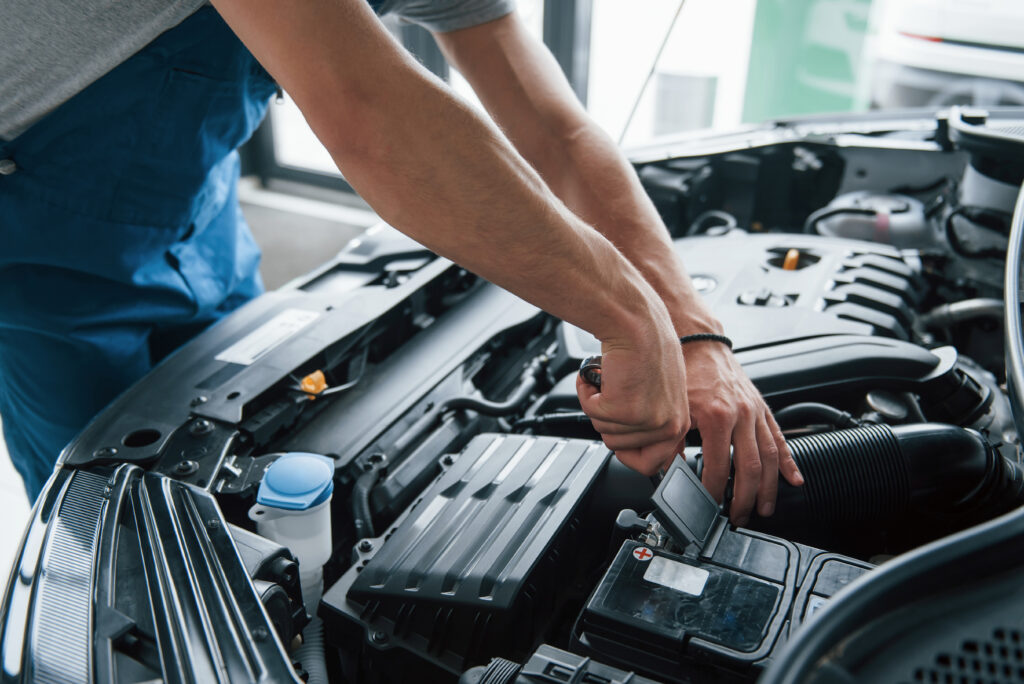
The oxygen sensor car system plays a vital role in ensuring your engine runs efficiently. Located in the exhaust system, the oxygen sensor monitors the amount of oxygen in the exhaust gases and sends this data to the engine control unit (ECU). This information helps regulate the air-fuel mixture for optimal combustion. When the oxygen sensor goes bad, it can trigger a range of problems that affect performance, fuel economy, and emissions. Recognizing the symptoms early can save you from costly repairs and keep your car running smoothly.
Table of Contents
Why the Oxygen Sensor Matters
The oxygen sensor ensures your car maintains the right balance between fuel and air. A faulty sensor can cause the engine to run too rich (too much fuel) or too lean (too much air), leading to poor performance and increased emissions. Timely diagnosis and replacement are essential to protect your catalytic converter and overall engine health.
Common Symptoms of a Bad Oxygen Sensor
Here are the most noticeable signs that your oxygen sensor car system may be failing:
Check Engine Light
One of the first indicators is the check engine light. A failing sensor often triggers this warning, and a diagnostic scan will usually reveal an oxygen sensor error code.
Poor Fuel Economy
A bad sensor sends inaccurate data to the ECU, causing the engine to burn more fuel than necessary. If you notice frequent trips to the gas station, the oxygen sensor could be the culprit.
Rough Idling and Misfires
Faulty readings can disrupt the air-fuel mixture, leading to rough idling, hesitation during acceleration, or even engine misfires.
Failed Emissions Test
Since the oxygen sensor directly affects emissions, a bad sensor often results in higher pollution levels and failed emissions tests.
Strong Fuel Smell from Exhaust
An overly rich fuel mixture caused by a faulty sensor can produce a noticeable fuel odor from the exhaust.
Damage to the Catalytic Converter
Ignoring a bad sensor can eventually damage the catalytic converter, one of the most expensive parts of the exhaust system.
Why You Shouldn’t Ignore the Symptoms
Driving with a faulty oxygen sensor car system is risky. Not only does it reduce efficiency and increase emissions, but it can also lead to expensive damage to the catalytic converter and other engine components. Replacing the sensor is relatively inexpensive compared to the cost of repairing major engine damage.
How Often Should You Change the Oxygen Sensor?
Knowing the symptoms of a failing oxygen sensor is important but understanding when to change it is equally critical. Most manufacturers recommend replacing oxygen sensors every 60,000 to 100,000 miles, depending on the type of sensor and driving conditions. Older vehicles with traditional sensors may need replacement sooner, while newer models equipped with heated sensors often last longer.
Driving habits also play a role. Short trips, stop‑and‑go traffic, or exposure to extreme temperatures can shorten the lifespan of the sensor. If you frequently notice reduced fuel economy or a persistent check engine light, it’s wise to schedule a diagnostic check rather than waiting for a complete failure.
Regular replacement ensures your engine maintains the correct air‑fuel ratio, which improves fuel efficiency, reduces harmful emissions, and protects expensive components like the catalytic converter. Neglecting this maintenance can lead to costly repairs and even cause your vehicle to fail emissions testing.
For DIY enthusiasts, changing oxygen sensor is a straightforward process with the right tools. However, if you’re unsure, professional service provides peace of mind and guarantees proper installation. Whether you choose DIY or a mechanic, timely replacement is a small investment that pays off in long‑term performance and savings.
By following recommended intervals and watching for warning signs, you’ll keep your oxygen sensor car system functioning properly, ensuring smoother rides and lower fuel.
So, what are the symptoms of a bad oxygen sensor? The most common signs include poor fuel economy, rough idling, failed emissions tests, strong fuel smells, and the check engine light. By recognizing these symptoms early and replacing the sensor when needed, you can keep your oxygen sensor car system functioning properly, save money on fuel, and protect your engine from costly repairs.
If you have any questions, you can ask our mechanics on a live chat here or download our mobile app from Apple AppStore and Google Playstore. You can also download our G-OBD AI Diagnostics App on Playstore here.
Leave a Reply