
Car overheating is one of the most common and dangerous issues drivers face. It can be triggered by low coolant, faulty thermostats, radiator problems, or even extreme driving conditions. Fixing it requires immediate action to cool the engine, diagnosing the root cause, and applying preventive maintenance to avoid future breakdowns.
Table of Contents
Why Cars Overheat
Your vehicle’s cooling system is designed to regulate engine temperature. When any part of this system fails, heat builds up quickly. Common causes include:
- Low coolant levels or leaks – Without enough coolant, heat cannot dissipate properly.
- Faulty thermostat – A stuck thermostat prevents coolant circulation.
- Radiator issues – Blockages or broken fans reduce cooling efficiency.
- Water pump failure – Stops coolant flow, leading to rapid overheating.
- Extreme driving conditions – Hot weather, heavy traffic, or towing can strain the cooling system.
Immediate Steps When Your Car Overheats
If your car begins to overheat, quick action can prevent severe engine damage:
- Turn off the AC and turn on the heater – This helps draw heat away from the engine.
- Pull over safely – Continuing to drive risks engine damage.
- Check coolant levels – Add coolant if low, but only after the engine cools.
- Do not open the radiator cap while hot – Steam and boiling coolant can cause burns.
- Wait and restart cautiously – Once cooled, restart the engine to see if the temperature stabilizes.
How to Fix Car Overheating
Once the immediate danger has passed, diagnosing and repairing the root cause is essential. Common fixes include:
- Refill or flush coolant – Ensure the right coolant mix is used.
- Replace faulty thermostat – A common fix when overheating persists.
- Inspect radiator and hoses – Look for leaks, cracks, or blockages.
- Check water pump – Replace if circulation is compromised.
- Test cooling fans – Ensure they activate when the engine heats up.
Signs of Car Overheating and Cooling System Trouble
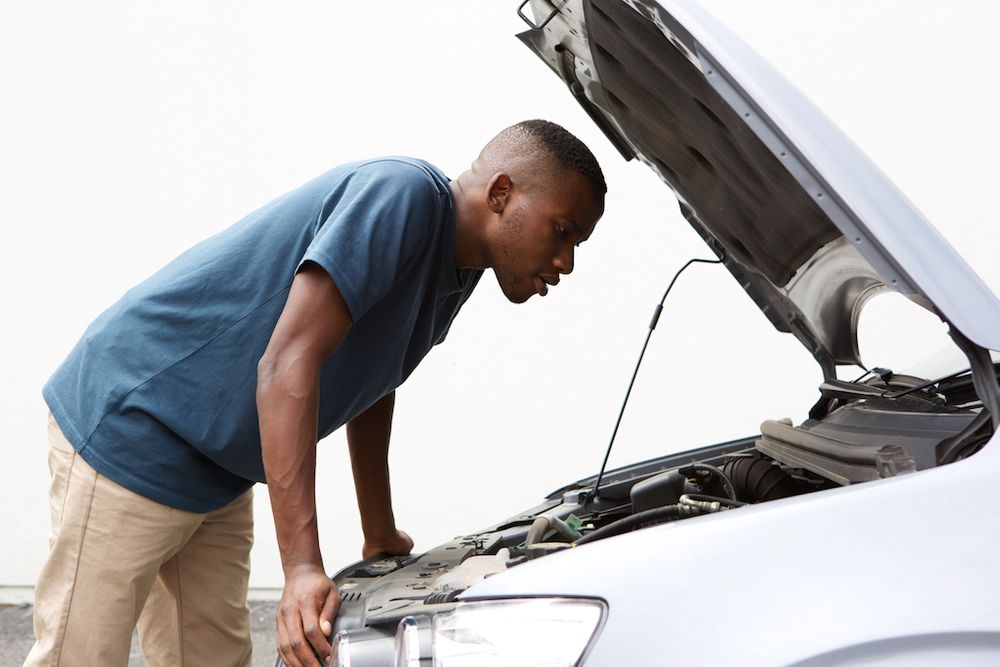
Recognizing early warning signs can help you act before overheating occurs:
- Rising temperature gauge during normal driving
- Steam or smoke from under the hood
- Sweet smell (coolant leak) or burning odor
- Visible coolant puddles under the car
- Heater blowing cold air when engine is hot
Preventing Future Car Overheating
Prevention is the best cure for overheating. Adopt these habits:
- Regular coolant checks – Top up every few months.
- Scheduled radiator flushes – Prevent buildup of rust or debris.
- Routine inspections – Thermostat, water pump, and hoses should be checked during servicing.
- Drive smart – Avoid prolonged idling in extreme heat and reduce heavy loads when possible.
- Monitor dashboard gauges – Pay attention to temperature readings and warning lights.
Why Timely Action Matters
Ignoring overheating can lead to catastrophic engine damage, including:
- Warped cylinder heads
- Blown head gaskets
- Cracked engine blocks
- Complete engine failure
Repairing these issues can cost thousands, while preventive maintenance is relatively inexpensive. Acting quickly protects your investment and ensures safer journeys. If you have any questions about your car overheating or any related issues you can ask our mechanics on a live chat here or download our mobile app.
Final Thoughts
Car overheating is preventable with proper maintenance and quick action when warning signs appear. By understanding the causes, applying fixes, and practicing preventive care, drivers can protect their engines from costly damage and ensure reliable performance.
If you notice rising temperatures, steam, or coolant leaks, don’t ignore them. Addressing overheating early saves money, reduces stress, and keeps your car safe on the road.
If you have any questions, you can ask our mechanics on a live chat here or download our mobile app from Apple AppStore and Google Playstore. You can also download our G-OBD AI Diagnostics App on Playstore here.
Leave a Reply