
When it comes to keeping your tires in top condition, one of the most common questions drivers ask if to buy a tire inflator or an auto tire pump. Both tools serve the same purpose—getting air into your tires—but they differ in design, convenience, and functionality. Choosing the right option depends on your driving habits, lifestyle, and how you plan to use the tool.
Table of Contents
Why Tire Inflation Matters
Proper tire pressure is essential for safe driving, fuel efficiency, and extending the life of your tires. Underinflated tires can cause poor handling, reduced mileage, and uneven wear. Overinflated tires may wear out faster in the center and reduce traction. Having a reliable way to maintain correct pressure ensures:
- Safer handling and braking
- Better fuel economy
- Longer tire lifespan
- Reduced risk of blowouts or roadside emergencies
What Is an Auto Tire Pump?
A tire inflator is a compact, portable device designed specifically for car tires. Most inflators are powered by electricity, either through your vehicle’s 12V outlet or rechargeable batteries. Many modern inflators include:
- Built‑in pressure gauges
- Digital displays
- Automatic shut‑off features
These features make them user‑friendly and precise. Tire inflators are ideal for everyday drivers who want a quick, convenient way to maintain tire pressure without visiting a gas station. They are lightweight, easy to store in your trunk, and perfect for emergencies.
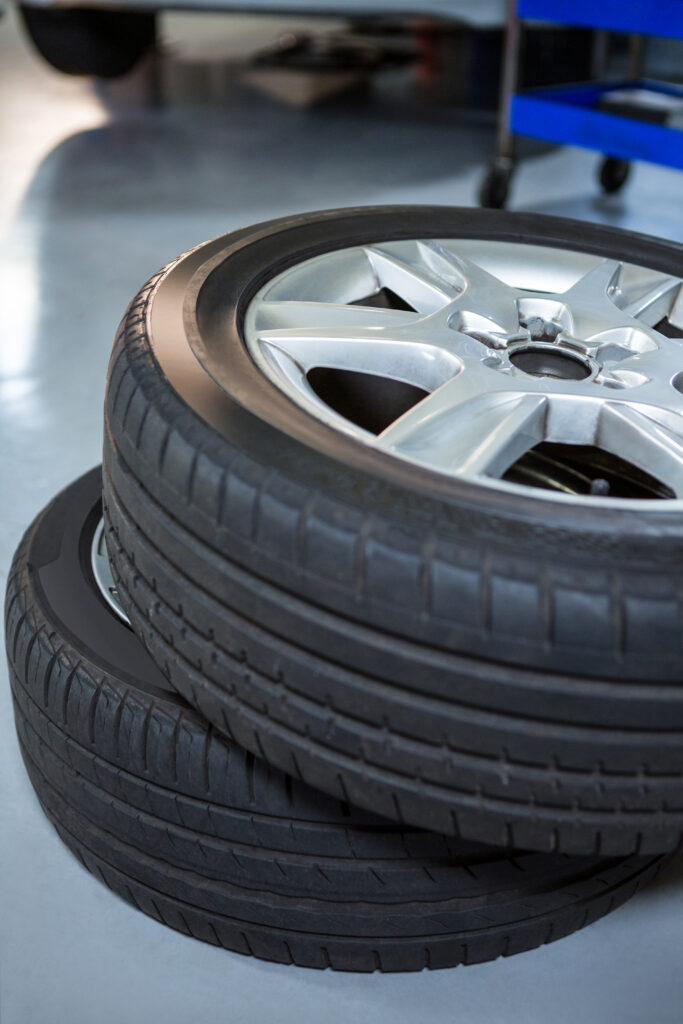
What Is an Auto Tire Pump?
An air compressor is a more powerful tool that can inflate not only car tires but also larger equipment, sports gear, and even tools that require compressed air. Unlike a simple tire inflator, air compressors:
- Deliver higher pressure and volume
- Are often bulkier and heavier
- May require a dedicated power source (household outlet or garage setup)
Air compressors are versatile and suitable for heavy‑duty use. They are commonly used in workshops, by mechanics, or by drivers who own larger vehicles such as trucks, RVs, or off‑road vehicles.
Tire Inflator vs. Auto Tire Pump: Key Differences
| Feature | Tire Inflator | Air Compressor |
|---|---|---|
| Portability | Compact, lightweight, fits in trunk | Larger, heavier, often stationary |
| Power Source | 12V car outlet or rechargeable battery | Household outlet or garage setup |
| Ease of Use | Simple, user‑friendly, automatic shut‑off | Requires more setup, manual monitoring |
| Pressure Output | Suitable for standard car tires | Higher pressure, suitable for trucks, tools |
| Versatility | Limited to tires and small inflatables | Can power air tools, inflate larger equipment |
| Cost | Affordable ($30–$100) | More expensive ($100–$500+) |
Which One Should You Buy?
The choice between a tire inflator and an air compressor depends on your lifestyle and driving needs:
- Choose a Tire Inflator if:
- You want a lightweight, portable solution.
- You need quick tire checks and emergency use.
- You drive a standard car and don’t require heavy‑duty equipment.
- Choose an Air Compressor if:
- You need a versatile tool for multiple tasks beyond car tires.
- You own larger vehicles, RVs, or trucks.
- You use air tools in a workshop or garage.
For most everyday drivers, a tire inflator provides the perfect balance of convenience and reliability. However, if you frequently work with tools or larger vehicles, an air compressor offers more power and flexibility.
Cost Considerations
- Tire Inflators – Typically range from $30 to $100, depending on features like digital displays and automatic shut‑off.
- Air Compressors – Range from $100 to $500 or more, depending on size, power, and versatility.
While air compressors are more expensive, they offer broader functionality. Tire inflators, on the other hand, are budget‑friendly and tailored for car owners.
Practical Tips
- Always check tire pressure when the tires are cold for the most accurate reading.
- Keep a tire inflator in your trunk for emergencies—it’s especially useful for roadside situations.
- If you choose an air compressor, ensure you have adequate storage space and a reliable power source.
- Avoid overinflating tires, as this can cause uneven wear and reduce traction.
Final Thoughts
So, should you buy a tire inflator or an air compressor? The answer depends on how you plan to use it. A tire inflator is compact, easy to use, and perfect for regular car maintenance, while an air compressor is a more powerful solution for those who need versatility and heavy‑duty performance.
Whichever you choose, having the right tool ensures your tires stay properly inflated, keeping you safe and saving you money in the long run.
If you have any questions, you can ask our mechanics on a live chat here or download our mobile app from Apple AppStore and Google Playstore. You can also download our G-OBD AI Diagnostics App on Playstore here.
Leave a Reply